
6 Days Atlas Mountains & Berber Villages From Marrakech
If you have ever unfolded a map of Morocco Atlas Mountains and traced your finger along the winding roads that climb from Marrakech into the High Atlas,In this guide, we will walk you through everything you need to know about this 6-day private transportation experience: the route, the villages, the landscapes, and why booking a private driver is the smartest way to explore this remarkable corner of Morocco.Our clints reviews in tripadvisor
Price (1 to 7) persons: 1000 €
Why Look at a Map of Morocco Atlas Mountains Before You Travel?
Before setting off on any road trip through southern Morocco, it helps to study a map of Morocco Atlas Mountains so you understand the scale and diversity of the terrain you’re about to cross. The Atlas Mountains stretch across Morocco in three main ranges — the High Atlas, the Middle Atlas, and the Anti-Atlas — and together they form a natural barrier between the fertile plains of Marrakech and the vast Sahara Desert to the south.vocatravel
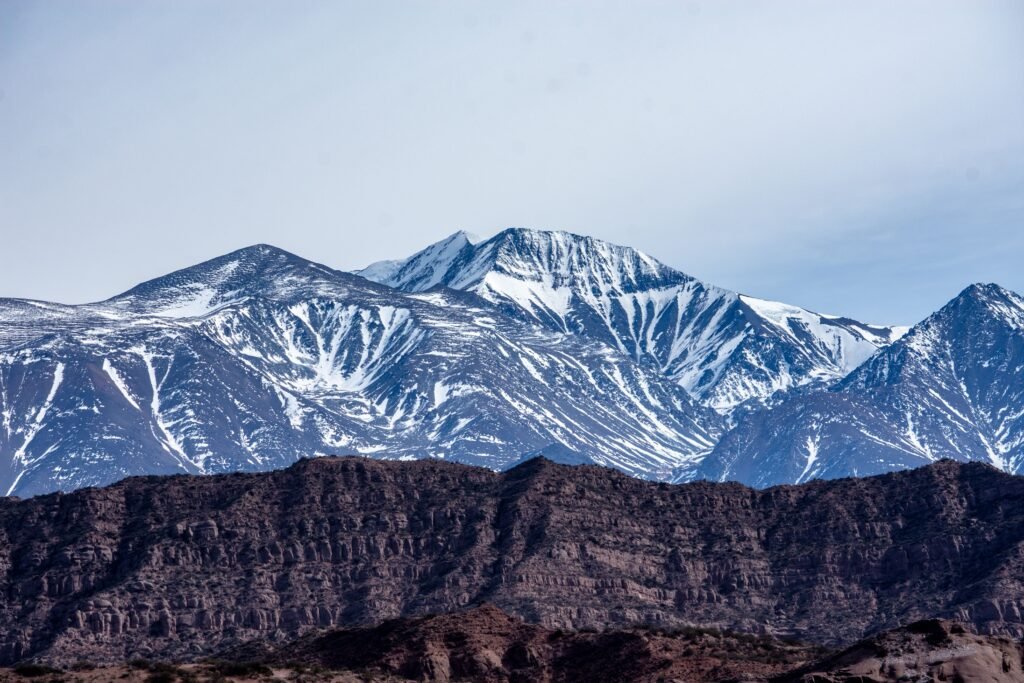
When you study a detailed map of Morocco Atlas Mountains, you’ll notice how the route from Marrakech typically climbs through the Tizi n’Tichka pass, one of the highest and most scenic mountain passes in North Africa, before descending toward the valleys of Ouarzazate, Skoura, and the Dades and Todra Gorges. Further west, the map also reveals the Ourika Valley, Imlil, and the Toubkal National Park, home to North Africa’s highest peak, Jbel Toubkal. Understanding this geography in advance helps travelers appreciate just how much ground — and how many climates, cultures, and landscapes — a 6-day journey through this region actually covers.
Our private transportation service is built around this exact geography. Rather than following a rigid bus schedule or group tour itinerary, our drivers use their deep knowledge of the roads shown on any accurate map of Morocco Atlas Mountains to choose the safest routes, the best viewpoints, and the most authentic Berber villages to stop in along the way.
What Makes Private Transportation the Best Way to Explore the Atlas Mountains?
Public buses and shared grand taxis do exist in this region, but they come with real limitations: fixed schedules, crowded seating, language barriers, and very little flexibility to stop for photos, meals, or spontaneous village visits. A private transportation service solves all of these problems.
1. Comfort Across Long Mountain Drives
Mountain roads in the Atlas can be winding and, at times, physically demanding. A private, well-maintained vehicle with air conditioning, comfortable seating, and an experienced driver makes a significant difference over six days of travel. You won’t be crammed into a shared van or waiting hours for a taxi to fill up with other passengers.
2. Flexibility to Stop Where You Want
One of the greatest advantages of private transportation is the freedom to stop whenever something catches your eye — a viewpoint over a valley, a roadside argan oil cooperative, a weekly Berber souk, or a mudbrick Kasbah glowing in the afternoon light. Tour buses rarely offer this kind of spontaneity.
3. Local Knowledge and Safety
Our drivers are not just behind the wheel; they are knowledgeable guides who understand the culture, history, and safest driving practices for mountain terrain. They know which sections of the road shown on the map of Morocco Atlas Mountains require extra caution, especially during winter months when snow can affect higher passes like Tizi n’Tichka.
4. Personalized Pace
Traveling privately means the itinerary can adjust to you. Want to spend an extra hour photographing the Todra Gorge? Prefer a slower morning in a Berber village before continuing the drive? Private transportation makes this possible in a way that fixed group tours simply cannot.
The 6-Day Atlas Mountains & Berber Villages Itinerary
Below is an overview of a typical 6-day private transportation itinerary from Marrakech through the Atlas Mountains and Berber villages. Routes can be customized based on your interests, fitness level, and the season.
Day 1: Marrakech to Ait Ben Haddou via Tizi n’Tichka Pass
The journey begins in Marrakech, where your private driver will pick you up from your riad or hotel. The first leg of the trip climbs steadily into the High Atlas via the Tizi n’Tichka pass, one of the most dramatic mountain roads in Morocco, reaching elevations over 2,200 meters. Along the way, you’ll pass traditional Berber villages built into the hillsides, terraced fields, and roadside stalls selling minerals and handicrafts.
The destination for the day is Ait Ben Haddou, a UNESCO World Heritage Site and one of the best-preserved examples of traditional Kasbah architecture in Morocco. This fortified village has appeared in numerous films and television series, and walking through its narrow alleys feels like stepping back in time.
Day 2: Ouarzazate, Skoura Oasis, and the Dades Valley
After breakfast, your private transportation continues east toward Ouarzazate, often called the “Hollywood of Morocco” due to its famous film studios. From there, the route passes through the Skoura Oasis, a lush palm grove dotted with centuries-old Kasbahs, before continuing into the Dades Valley, known for its dramatic rock formations often referred to as the “Valley of a Thousand Kasbahs.”
Day 3: Dades Gorge to Todra Gorge
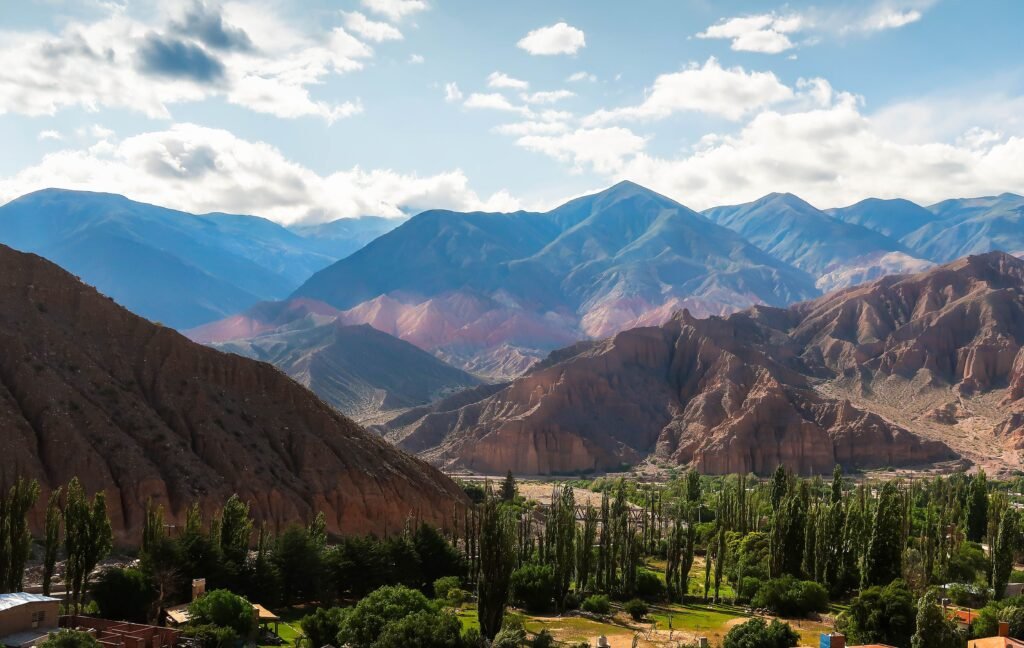
Day three takes you deeper into spectacular canyon country. The Dades Gorge offers winding roads with hairpin turns and stunning views over red rock cliffs. From there, your driver continues to the Todra Gorge, where sheer canyon walls rise dramatically on either side of a narrow river. This is one of the most photographed natural landmarks in the entire Atlas region, and any traveler using a map of Morocco Atlas Mountains to plan their route will immediately notice how central this gorge is to the eastern High Atlas landscape.
Day 4: Berber Villages of the Central High Atlas
This day is dedicated to slower, more immersive travel through smaller Berber villages that rarely appear on standard tourist itineraries. Your private driver can arrange visits to local family homes, weekly markets, and traditional cooperatives where Berber women produce argan oil, wool textiles, or handmade rugs. These interactions offer genuine insight into Berber culture, language, and daily mountain life, something that large group tours often miss entirely.
Day 5: Ourika Valley and the Foothills of Toubkal
Heading back toward the western side of the range, day five explores the Ourika Valley, a green and fertile area popular for its waterfalls, walnut groves, and traditional villages built along the riverbanks. From here, the route continues toward Imlil, the gateway village to Toubkal National Park and Jbel Toubkal, the highest peak in North Africa. Even without summiting the mountain, the surrounding scenery of pine forests, stone villages, and dramatic peaks is worth the drive alone.
Day 6: Imlil to Marrakech
On the final day, your private transportation service returns you comfortably to Marrakech, typically with time for a final stop in a scenic village or viewpoint before arriving back in the city. Drivers are flexible with timing to accommodate flight schedules or onward travel plans.
Berber Villages: The Cultural Heart of the Atlas Mountains
While the landscapes of the Atlas Mountains are undeniably stunning, it is the Berber villages scattered throughout the region that give this journey its soul. The Berber people, or Amazigh, have lived in these mountains for thousands of years, developing distinct architecture, agricultural terracing systems, and cultural traditions that remain visible today.
Traveling by private transportation allows for deeper access to these communities. Rather than driving past on a bus, you can stop, walk through narrow village lanes, greet local residents, and visit family-run guesthouses or cooperatives. Many villages along this route still rely on traditional mudbrick construction, irrigation channels called “khettaras,” and terraced farming that has been passed down through generations.
Understanding the layout of these villages on a map of Morocco Atlas Mountains also reveals an important pattern: most Berber settlements are built along river valleys or on hillsides near water sources, a practical adaptation to the arid mountain climate. This geographic logic is part of what makes the journey so fascinating from both a cultural and practical perspective.
Why Choose Our Private Transportation Service for This Journey
There are many ways to explore the Atlas Mountains, but not all of them offer the same level of comfort, safety, and cultural access. Here’s why travelers consistently choose our private transportation service for this 6-day journey:
- Experienced, licensed drivers who know the mountain roads intimately, including seasonal conditions and safe driving practices for high-altitude passes.
- Comfortable, well-maintained vehicles suited for both small families and larger groups.
- Flexible itineraries that can be adjusted based on weather, interests, or physical ability.
- Deep local knowledge of Berber villages, cooperatives, and hidden viewpoints that aren’t listed on a typical map of Morocco Atlas Mountains found in guidebooks.
- Door-to-door service, including hotel or riad pickup and drop-off in Marrakech.
- Multilingual drivers who can communicate in English, French, and Arabic, bridging any language gap with local communities.
Unlike large group tours, our private transportation service ensures that your pace, your interests, and your comfort remain the priority throughout the six days.
Best Time of Year to Travel Through the Atlas Mountains
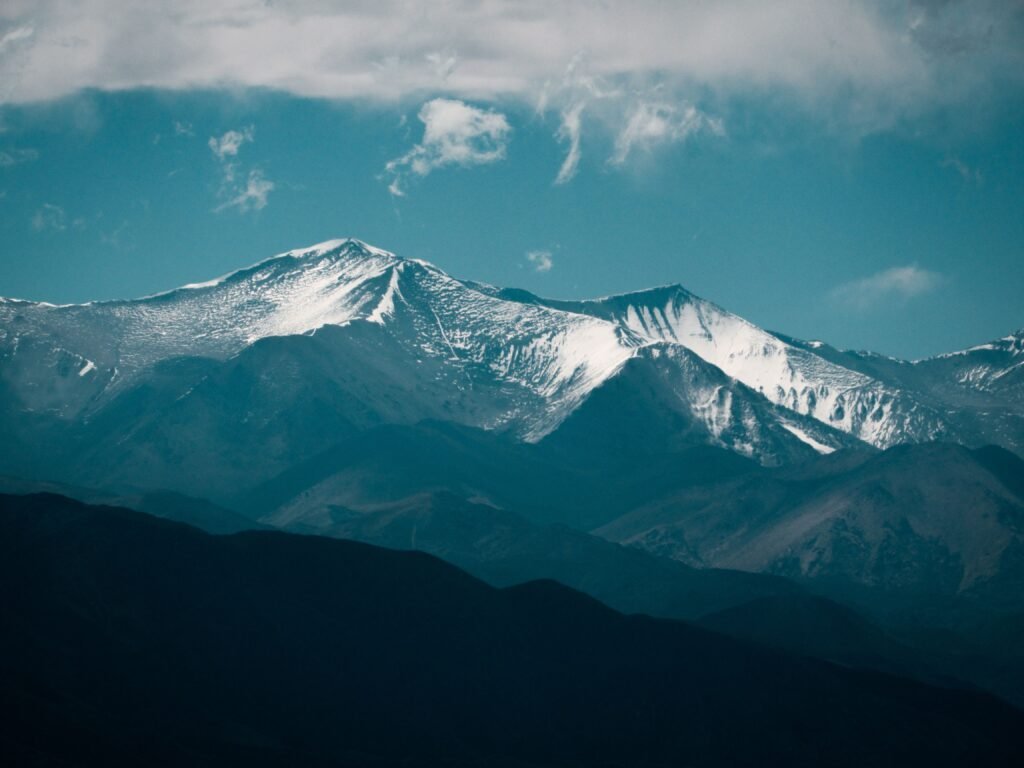
Timing plays an important role in planning this journey. Spring (March to May) and autumn (September to November) are generally considered the best seasons, offering mild temperatures and clear skies for mountain photography. Summer months can bring intense heat to the lower valleys, though higher elevations remain pleasantly cool. Winter, meanwhile, can bring snow to higher passes like Tizi n’Tichka, which is part of why having an experienced private driver — rather than relying on public transportation — is especially valuable during colder months.
Referring to a map of Morocco Atlas Mountains alongside seasonal weather patterns can help travelers decide which time of year best matches their interests, whether that’s hiking near Toubkal, photographing snow-capped peaks, or exploring valleys in full bloom.
Practical Tips for Your 6-Day Atlas Mountains Journey
- Pack layers. Temperatures can vary significantly between valley floors and mountain passes, sometimes within the same day.
- Bring a physical or digital map of Morocco Atlas Mountains as a backup, even though your driver will handle navigation — it helps you follow along and understand the journey.
- Respect local customs when visiting Berber villages, including modest dress and asking permission before photographing residents.
- Stay hydrated, especially during the higher-altitude sections of the route.
- Carry cash in small denominations, as many rural villages and cooperatives do not accept cards.
- Confirm your itinerary flexibility with your private transportation provider in advance, particularly if you have specific villages or viewpoints you want to include.
Frequently Asked Questions
Is private transportation more expensive than a group tour? It can be slightly more expensive than a shared group tour, but the added comfort, flexibility, and personalized itinerary generally make it well worth the difference, especially for families, couples, or small groups.
Do I need to bring my own map of Morocco Atlas Mountains? Not necessarily. Your private driver will handle all navigation, but many travelers enjoy having a physical or digital map on hand to follow the journey and better understand the geography they’re passing through.
How many people can join a private transportation tour? Vehicles can typically be arranged for solo travelers, couples, families, or small groups, with vehicle size adjusted accordingly.
Is this trip suitable for children or older travelers? Yes. Because the itinerary is flexible and paced privately, it can be adjusted to accommodate different fitness levels, including families with children or older travelers who prefer a slower pace.
What should I pack for a 6-day Atlas Mountains trip? Comfortable walking shoes, layered clothing, sun protection, a reusable water bottle, and a camera are all recommended, along with any personal medications.
Final Thoughts
A 6-day journey through the Atlas Mountains and Berber villages from Marrakech is one of the most rewarding travel experiences Morocco has to offer. From the dramatic climb over Tizi n’Tichka to the fortified walls of Ait Ben Haddou, the canyon depths of Todra Gorge, and the timeless rhythm of Berber village life, every day reveals a new layer of this diverse landscape. Studying a map of Morocco Atlas Mountains before you go only adds to the sense of anticipation, helping you visualize the mountains, valleys, and villages you’re about to experience firsthand.
Choosing a private transportation service for this journey means trading uncertainty and rigid schedules for comfort, flexibility, and genuine cultural connection. Whether you’re drawn to the mountains for their natural beauty, their rich Berber heritage, or simply the adventure of the open road, this 6-day itinerary offers an unforgettable way to explore one of Morocco’s most spectacular regions — safely, comfortably, and entirely at your own pace.
If you’re ready to plan your own 6 Days Atlas Mountains & Berber Villages private transportation experience from Marrakech, reach out to our team to design an itinerary tailored to your travel dates, interests, and group size.