15 Best Places to Visit in Morocco: The Ultimate Travel Guide (2026)
Morocco is one of those rare countries that feels like five destinations rolled into one. In a single trip you can wander through medieval medinas, ride a camel across golden sand dunes, hike snow-capped mountains, and fall asleep to the sound of Atlantic waves. It’s no surprise that so many travelers search for the best places to visit in Morocco before booking their flights — the country simply has too many highlights to plan a trip on a whim.
If you’re putting together your itinerary, this guide covers the best places to visit in Morocco, from the imperial cities of the north to the desert towns of the south. Whether you have five days or three weeks, you’ll find enough inspiration here to build a trip you’ll talk about for years.Get your trip with us
Why Morocco Deserves a Spot on Your Travel List
Before diving into the list of the best places to visit in Morocco, it helps to understand what makes this country so special. Morocco sits at the crossroads of Africa, Europe, and the Arab world, and that blend shows up everywhere — in the architecture, the food, the languages spoken on the street, and the music drifting out of cafés.
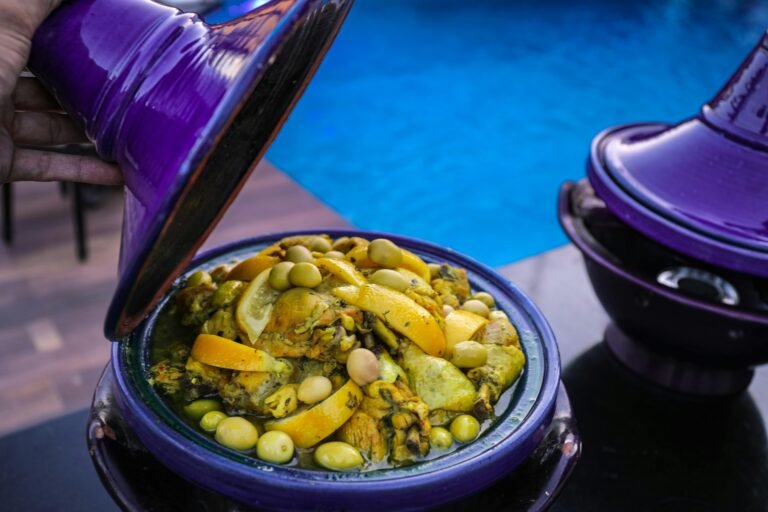
Walk through any Moroccan city and your senses go into overdrive: the smell of fresh mint tea and sizzling tagines, the sound of the call to prayer echoing across rooftops, and the sight of hand-dyed leather, mountains of spices, and intricately tiled courtyards. Add in the natural diversity — the Sahara Desert, the Atlas Mountains, and hundreds of miles of coastline — and it’s easy to see why so many travelers return again and again.
Now let’s get into the destinations that should be on your radar.Get your private transportation
1. Marrakech — The Red City
No list of the best places to visit in Morocco would be complete without Marrakech. It’s the country’s most visited city, and for good reason. Marrakech blends old-world charm with modern comfort in a way that makes it an easy, exciting entry point for first-time visitors. Our tripadvisor
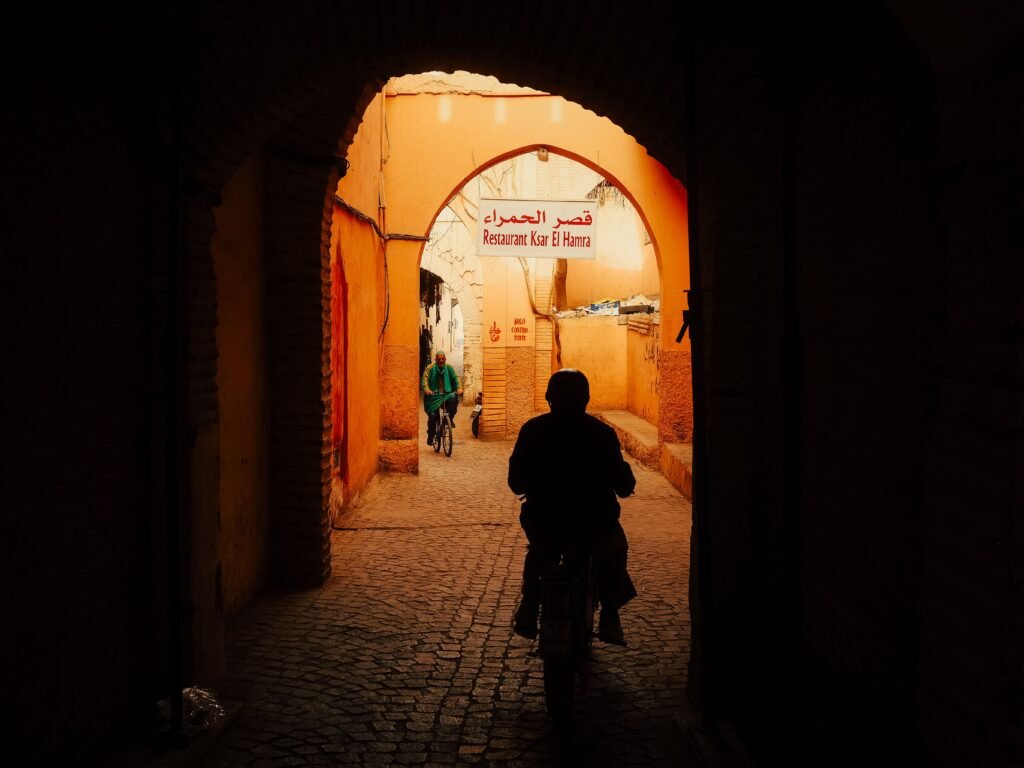
The heart of the city is Jemaa el-Fna square, a chaotic, colorful plaza that transforms throughout the day. In the morning you’ll find orange juice stalls and henna artists; by evening it turns into an open-air food market filled with grilled meats, steaming tagines, and storytellers performing for crowds. Just beyond the square lies the medina, a maze of narrow alleyways packed with souks selling carpets, lanterns, leather goods, and spices. Bargaining is expected, so don’t be shy about negotiating a price.
Other highlights in Marrakech include:
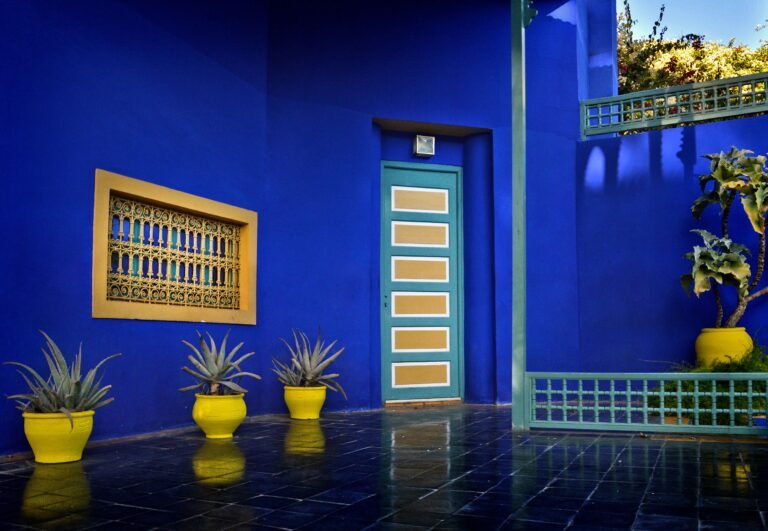
- Jardin Majorelle — a stunning blue-and-yellow botanical garden once owned by Yves Saint Laurent
- Bahia Palace — an ornate 19th-century palace with intricately carved ceilings and courtyards
- Saadian Tombs — beautifully preserved 16th-century royal tombs
- Koutoubia Mosque — the city’s most iconic landmark and largest mosque
Marrakech is consistently ranked among the top places to visit in Morocco, and for many travelers, it’s where the trip truly begins.
2. Fes — The Cultural and Spiritual Capital
If Marrakech is Morocco’s most energetic city, Fes is its most authentic. Home to the world’s oldest continuously operating university, Fes has barely changed in over a thousand years, and wandering its medina feels like stepping into a different century.
The Fes medina, known as Fes el-Bali, is the largest car-free urban area on the planet. You’ll need to explore it on foot (or occasionally by donkey, since the alleys are too narrow for cars). Inside, you’ll find centuries-old madrasas, hidden riads, and workshops where craftsmen still practice traditional trades passed down through generations.
The most famous sight in Fes is the Chouara Tannery, where leather workers dye hides in colorful stone vats using techniques that date back centuries. The smell can be strong, so most visitors are handed a sprig of mint to hold to their nose, but the view from the surrounding terraces is unforgettable.
Don’t skip the Al-Qarawiyyin University and the Bou Inania Madrasa — both are masterpieces of Islamic architecture, with detailed tilework, carved cedar wood, and calligraphy that will leave you speechless.
3. Chefchaouen — The Blue Pearl
Tucked into the Rif Mountains, Chefchaouen has become one of the most photographed places to visit in Morocco, and once you see it, you’ll understand why. The entire old town is painted in varying shades of blue — not just a street or two, but nearly every wall, door, and staircase.
There isn’t a long checklist of “must-do” activities in Chefchaouen. The real joy is simply wandering the streets, getting pleasantly lost, and taking photos at every turn. The town is small enough that you won’t truly get lost for long, but large enough to keep you entertained for a full day or two.
Chefchaouen is also a great base for short hikes into the surrounding mountains, and the pace of life here is noticeably slower than in Marrakech or Fes, making it a relaxing stop on any Morocco itinerary.
4. The Sahara Desert — Merzouga and Erg Chebbi
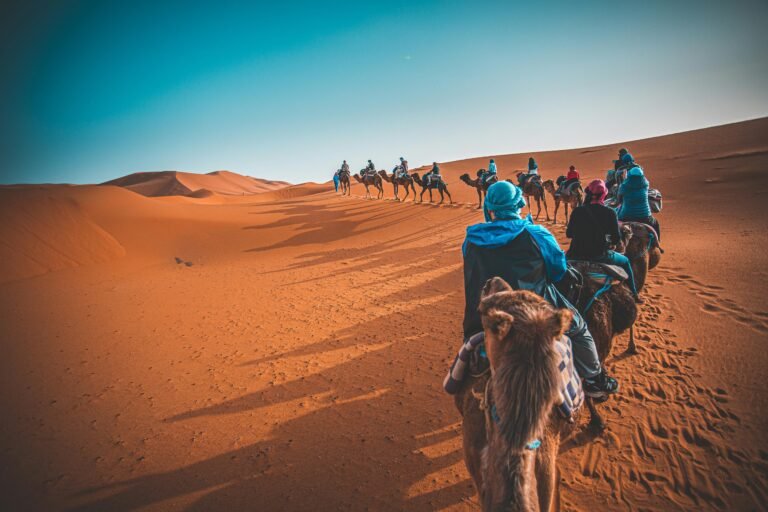
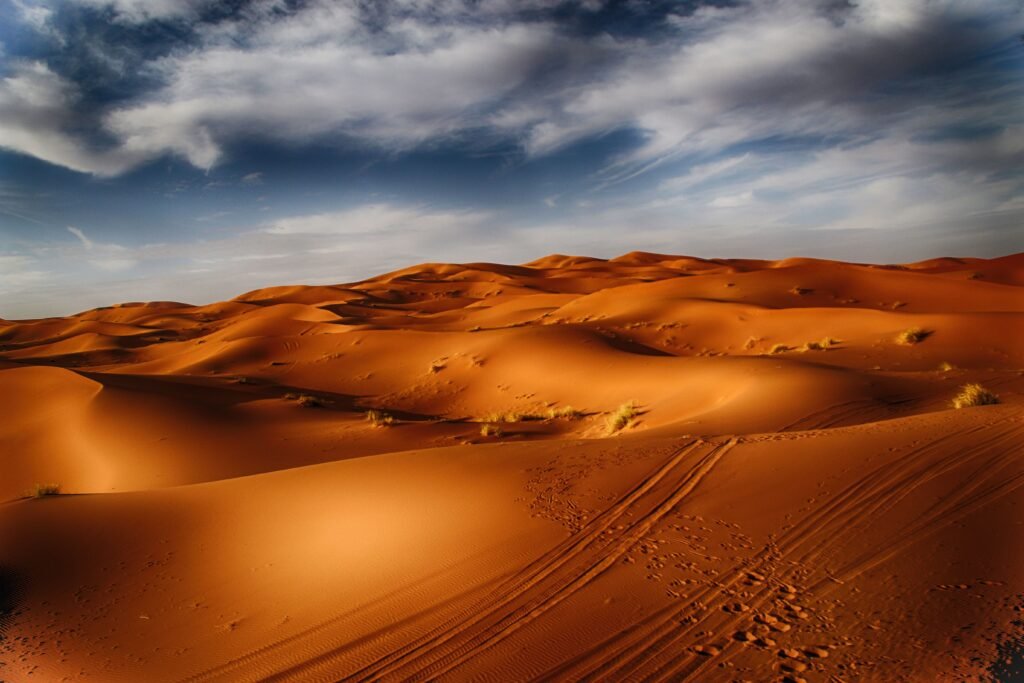
For many travelers, the Sahara Desert is the single biggest reason to visit Morocco. The town of Merzouga sits at the edge of Erg Chebbi, a sea of towering orange dunes that can reach heights of 150 meters.
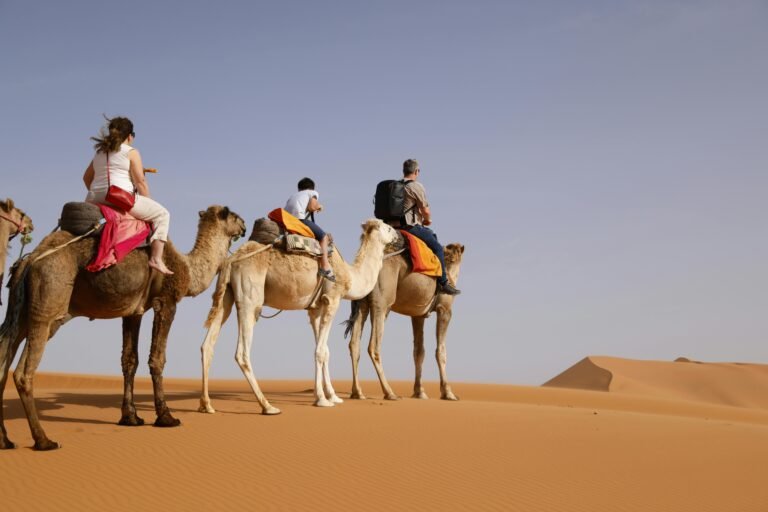
Most visitors arrive via a multi-day tour from Marrakech or Fes, often stopping at the Todra Gorge or the Dades Valley along the way. Once you reach Merzouga, the classic experience is a camel trek into the dunes at sunset, followed by a night in a desert camp under an extraordinary blanket of stars. Because the region has minimal light pollution, stargazing here is genuinely spectacular.
If you’re deciding which places to visit in Morocco deserve a multi-day commitment, the Sahara is one of them. A quick day trip simply isn’t enough time to appreciate the scale and silence of the desert.
5. Casablanca — Morocco’s Modern Metropolis
Casablanca is Morocco’s largest city and its economic hub, but it’s often overlooked by travelers rushing between Marrakech and Fes. That’s a mistake, because Casablanca has one of the most impressive religious buildings in the world: the Hassan II Mosque.
Built partially over the Atlantic Ocean, the Hassan II Mosque is among the largest mosques on Earth, with a minaret that beams a laser toward Mecca each night. It’s also the only mosque in Casablanca open to non-Muslim visitors, so it’s worth taking a guided tour of the interior.
Beyond the mosque, Casablanca offers wide boulevards, Art Deco architecture from the French colonial era, and a livelier restaurant and nightlife scene than you’ll find in more traditional Moroccan cities.
6. Essaouira — Coastal Calm on the Atlantic
If you need a break from the intensity of Morocco’s inland cities, Essaouira is the answer. This laid-back coastal town is known for fresh seafood, strong winds that attract surfers and windsurfers, and a relaxed, artsy atmosphere.
The Essaouira medina is a UNESCO World Heritage Site, with blue-and-white buildings, art galleries, and a bustling fishing port where you can watch the day’s catch come in each evening. Essaouira is an easy day trip from Marrakech, but it’s worth spending at least one night here to enjoy the slower pace.
7. The Atlas Mountains
Running from the Atlantic coast through central Morocco and into the Sahara, the Atlas Mountains provide some of the most dramatic scenery in the country. Snow-capped in winter and covered in wildflowers by summer, the range is home to traditional Berber villages that offer a completely different side of Morocco than the cities.
Popular activities in the Atlas Mountains include hiking to Berber villages, trekking Mount Toubkal (North Africa’s highest peak), and simply taking a scenic drive through the valleys. Many day trips from Marrakech include stops in the Atlas foothills, but spending a night or two in a mountain guesthouse gives you a much richer experience.
8. Ait Benhaddou — The Movie-Star Kasbah
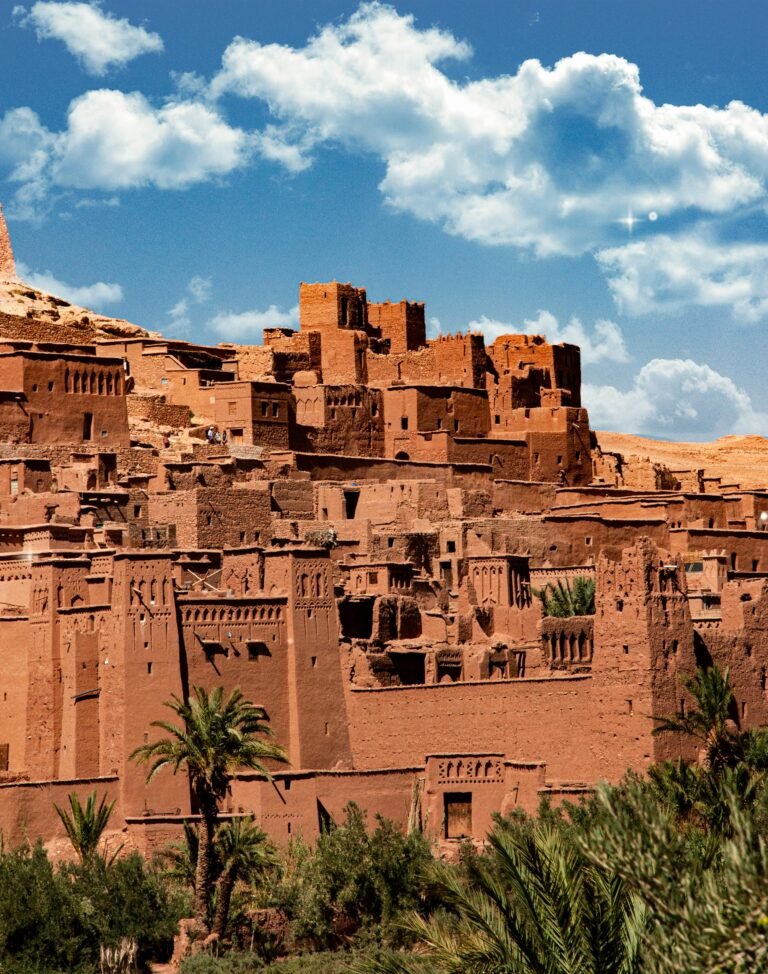
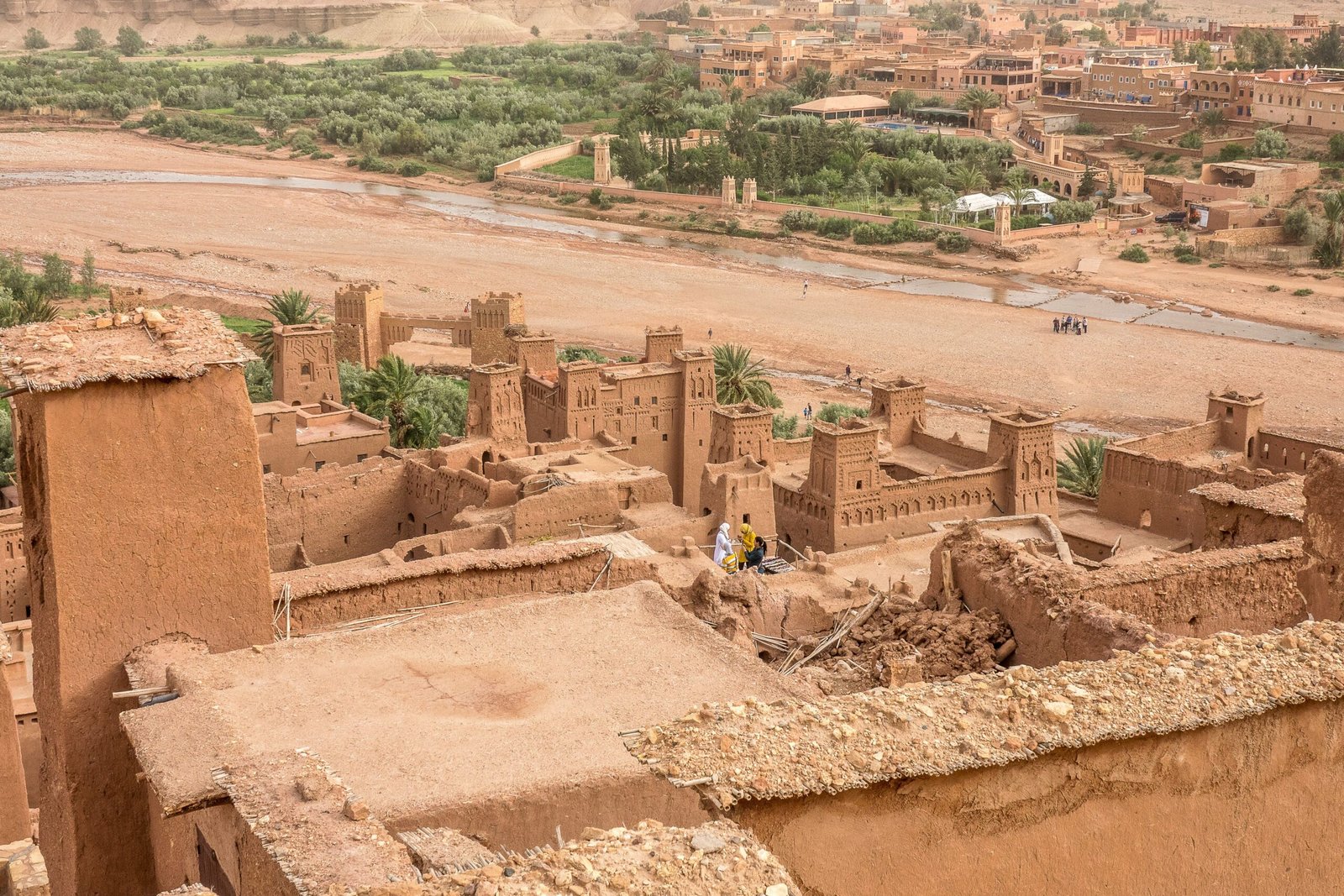
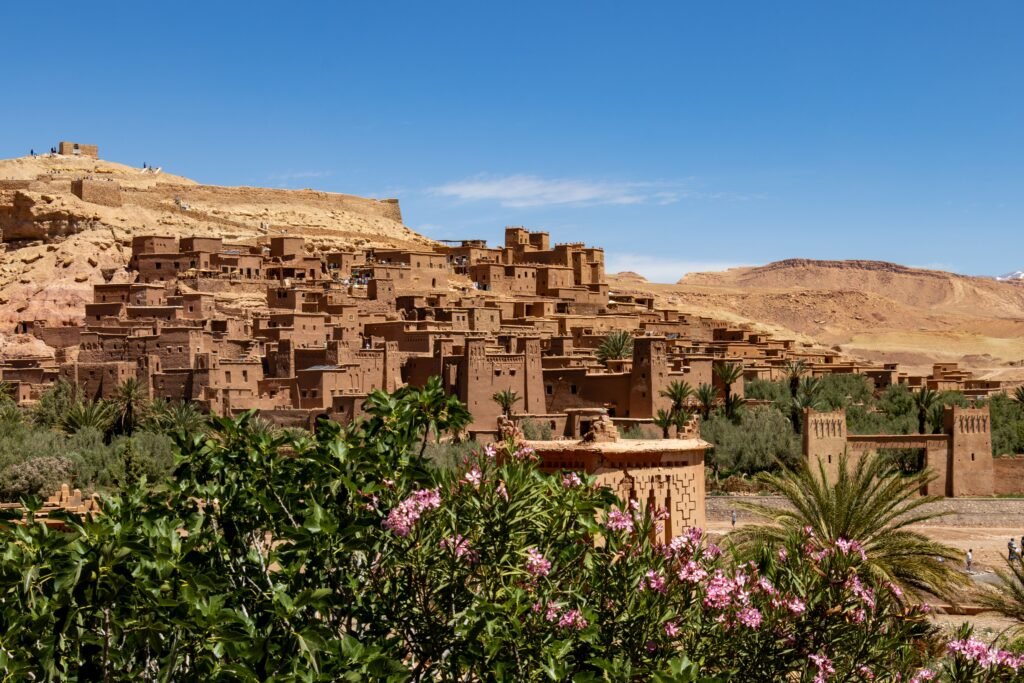
Few places to visit in Morocco feel as cinematic as Ait Benhaddou, a UNESCO-listed fortified village built from traditional red clay. This ksar has appeared in countless films and TV shows, including Gladiator and Game of Thrones, and walking through it feels like stepping onto a movie set.
Located along the old trans-Saharan trade route between the High Atlas Mountains and the desert, Ait Benhaddou is usually visited on the way to or from Merzouga. Climb to the top of the village for a panoramic view over the surrounding valley — it’s one of the best photo opportunities in the entire country.
9. Rabat — Morocco’s Understated Capital
Rabat doesn’t get nearly as much attention as Marrakech or Fes, but it’s one of the more underrated places to visit in Morocco. As the capital city, Rabat feels noticeably more modern and European, with wide boulevards, trams, and a calmer atmosphere overall.
Highlights include the Kasbah of the Udayas, a fortified area overlooking the Atlantic Ocean with whitewashed and blue buildings reminiscent of Chefchaouen, along with the Hassan Tower and the Mausoleum of Mohammed V. Since Rabat is less touristy, it offers a more authentic look at everyday Moroccan life.
10. Ouzoud Waterfalls
A short drive from Marrakech, the Ouzoud Waterfalls are one of the most refreshing places to visit in Morocco, especially during the hot summer months. Water cascades roughly 110 meters down a series of rocky cliffs into a lush valley below, where you’ll often spot Barbary macaques swinging through the trees.
You can hike down to the base of the falls, take a small boat ride to get closer to the mist, or simply enjoy the view from one of the cafés perched along the cliffside.
11. Todra Gorge
Carved by the Todra River over thousands of years, Todra Gorge is a dramatic canyon with sheer rock walls rising up to 300 meters on either side. It’s a popular stop for travelers heading toward the Sahara and is beloved by rock climbers and hikers alike.
Even if you’re not into climbing, the drive through the gorge — with its narrow road squeezed between towering cliffs — is worth the detour on its own.
12. Agadir — Morocco’s Beach Resort City
For travelers who want sun and sand alongside their cultural exploring, Agadir is one of the more relaxed places to visit in Morocco. Rebuilt after a major earthquake in the 1960s, Agadir has a modern layout with a long sandy beach, a lively promenade, and one of the country’s biggest traditional souks, Souk El Had, with thousands of stalls spread across the city center.
Agadir tends to attract families and travelers looking for a beach-focused holiday rather than a heavy dose of history.
13. Meknes
Often overshadowed by nearby Fes, Meknes is another of Morocco’s four imperial cities and deserves more attention than it usually gets. It has grand gates, expansive royal stables, and a more relaxed medina that’s easier to navigate than Fes’s labyrinthine alleyways.
Meknes also makes a great base for visiting the nearby Roman ruins of Volubilis, a remarkably well-preserved archaeological site with mosaic floors dating back nearly 2,000 years.
14. Dades Valley
Known for its dramatic rock formations, including the so-called “Monkey Fingers” rock formations, the Dades Valley is a scenic stretch often visited on the way between the Atlas Mountains and the Sahara. Terraced fields, rose gardens, and traditional kasbahs line the valley, making it a worthwhile stop for photographers and road-trippers.
15. Ouarzazate — Morocco’s Hollywood
Known as the gateway to the desert, Ouarzazate is famous for its film studios, where major Hollywood productions have been shot for decades. Several studio tours let you walk through old movie sets, and the surrounding desert landscapes make it easy to see why filmmakers love this region.
Ouarzazate is also a convenient stopping point between Marrakech and Merzouga, making it easy to combine with a Sahara Desert tour.
Timing matters when planning a trip around the best places to visit in Morocco. Spring (April to May) and fall (September to October) are generally considered the best seasons, offering warm days without the extreme summer heat, especially if you’re heading toward the Sahara. Winter can bring snow to the Atlas Mountains and chilly evenings in the desert, while summer temperatures inland can climb well above 40°C (104°F).
How Many Days Do You Need?
A trip covering the major places to visit in Morocco typically takes 10 to 14 days, though it’s possible to hit the highlights — Marrakech, the Sahara, and one or two other stops — in as little as 7 days. If you have three weeks or more, you can comfortably combine the imperial cities, the desert, the mountains, and the coast without feeling rushed.
Here’s a rough breakdown to help you budget your time:
- 7 days: Marrakech, a two-day Sahara Desert tour (via Ait Benhaddou), and Essaouira
- 10 days: Add Fes and the Atlas Mountains to the 7-day route
- 14 days: Add Chefchaouen, Rabat, and Casablanca for a full loop of northern and southern Morocco
- 21+ days: Slow down the pace, add Meknes, the Dades Valley, Todra Gorge, and a few extra nights in the desert
Renting a car gives you the most flexibility to reach smaller places to visit in Morocco that aren’t well served by public transport, such as the Dades Valley or the Ouzoud Waterfalls. If you’d rather not drive yourself, private multi-day tours are widely available and often include a driver-guide who can also help with translation and local recommendations.
Practical Tips for Visiting Morocco
Before you book your flights, a few practical details will make your trip smoother:
- Currency: The Moroccan Dirham (MAD) is a closed currency, meaning you can’t obtain it outside the country. Exchange money at the airport, banks, or official exchange offices once you arrive.
- Language: Arabic and French are the most widely spoken languages, though English is increasingly common in tourist areas. Learning a few basic French or Arabic phrases goes a long way.
- Dress code: Morocco is a Muslim country, and while cities like Marrakech and Casablanca are relatively relaxed, it’s respectful to dress modestly, particularly when visiting mosques, smaller towns, or rural areas.
- Bargaining: Haggling is expected in the souks. Start by offering roughly a third to half of the initial asking price and negotiate from there.
- Transport between cities: Trains connect the major cities efficiently (Casablanca, Rabat, Fes, Marrakech), while buses or private drivers are better options for reaching more remote places to visit in Morocco, such as the desert towns or mountain villages.
- Safety: Morocco is generally considered safe for travelers, including solo travelers, though it’s wise to stay alert in crowded medinas and agree on taxi fares before your ride begins.
Sample One-Week Itinerary
If you’re short on time but still want to experience the best places to visit in Morocco, here’s a sample seven-day route that balances cities, culture, and desert scenery:
- Day 1–2: Arrive in Marrakech, explore Jemaa el-Fna, the medina souks, Jardin Majorelle, and Bahia Palace
- Day 3: Drive toward the Sahara, stopping at Ait Benhaddou and the Dades Valley along the way
- Day 4: Continue to Merzouga, ride camels into the Erg Chebbi dunes, and spend the night in a desert camp
- Day 5: Drive back toward Marrakech via Todra Gorge, or continue on to Fes if you have extra time
- Day 6: Day trip to Essaouira for fresh seafood and coastal views
- Day 7: Final shopping in Marrakech’s souks before departure
This itinerary hits several of the most iconic places to visit in Morocco without requiring weeks of travel, making it a great option for travelers with limited vacation time.
Final Thoughts
Morocco rewards travelers who take the time to explore beyond the obvious. While Marrakech and the Sahara Desert will likely anchor most itineraries, some of the most memorable places to visit in Morocco — like Chefchaouen’s blue alleyways, the waterfalls at Ouzoud, or the quiet capital of Rabat — are the ones that don’t always make the front page of travel guides.